Company advantages
The workspace is designed for people who need more than a desk: they need production flow, credible hosting conditions, comfort for long sessions, and enough flexibility to let a small team behave like a serious studio.
Studio-caliber spatial planning
Layouts are organized to support multiple creative modes within the same membership footprint. Open collaboration tables help teams review builds, map systems, or align art direction, while quieter pockets support coding, documentation, QA passes, and focused editing. The zoning allows visual energy without constant noise spill, making it easier for multidisciplinary teams to stay productive together. It also gives founders and producers a more convincing space for investor chats, publisher calls, and recruitment meetings.
Flexible access for evolving teams
Creative businesses rarely stay static, so memberships are structured to scale from solo operators to compact studio crews. Teams can start lean, add seats for production phases, reserve dedicated areas during launch cycles, and use shared facilities without committing to traditional office rigidity. This balance helps growing companies manage cash flow while still presenting a polished operational presence to clients and partners.
Infrastructure that respects digital workloads
Fast internet, dependable utilities, practical booking logic, and member-ready support are treated as baseline essentials. Teams working with large assets, cloud repositories, live reviews, remote contributors, and content pipelines need reliability more than decoration. By prioritizing operational stability, the loft reduces friction around meetings, file transfers, hybrid collaboration, and long production days when every interruption costs real momentum.
Presentation-ready creative identity
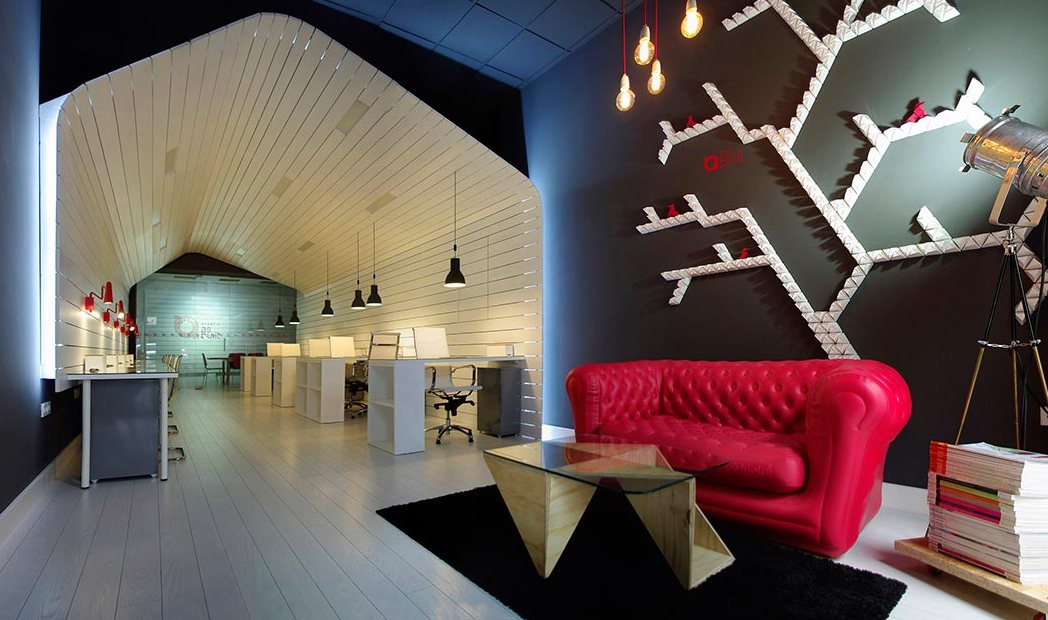
The setting looks distinctive without becoming theatrical. Industrial materials, warm details, and adaptable styling communicate ambition, taste, and technical credibility, which matters when clients, publishers, collaborators, or new hires visit. Teams gain a space that photographs well, hosts smoothly, and reinforces the perception that serious work is happening inside a place built for contemporary digital craft.
Community proximity without forced networking
Creative operators value serendipity, but they also need autonomy. The environment encourages natural encounters between developers, artists, producers, consultants, and technical founders through shared lounges, event formats, and common facilities, yet it avoids the pressure of performative coworking culture. Members can plug into a relevant network when useful and withdraw into focused execution when deadlines tighten, preserving both openness and professional concentration.
Hospitality details that improve long sessions
Creative production often stretches beyond a standard office day, so comfort matters. From welcoming reception moments and clean support facilities to areas suited for breaks, casual reviews, and reset time between meetings, the space is built to sustain energy rather than drain it. That human layer helps freelancers, founders, and studio teams remain sharper, more comfortable, and more willing to spend meaningful productive time on site.